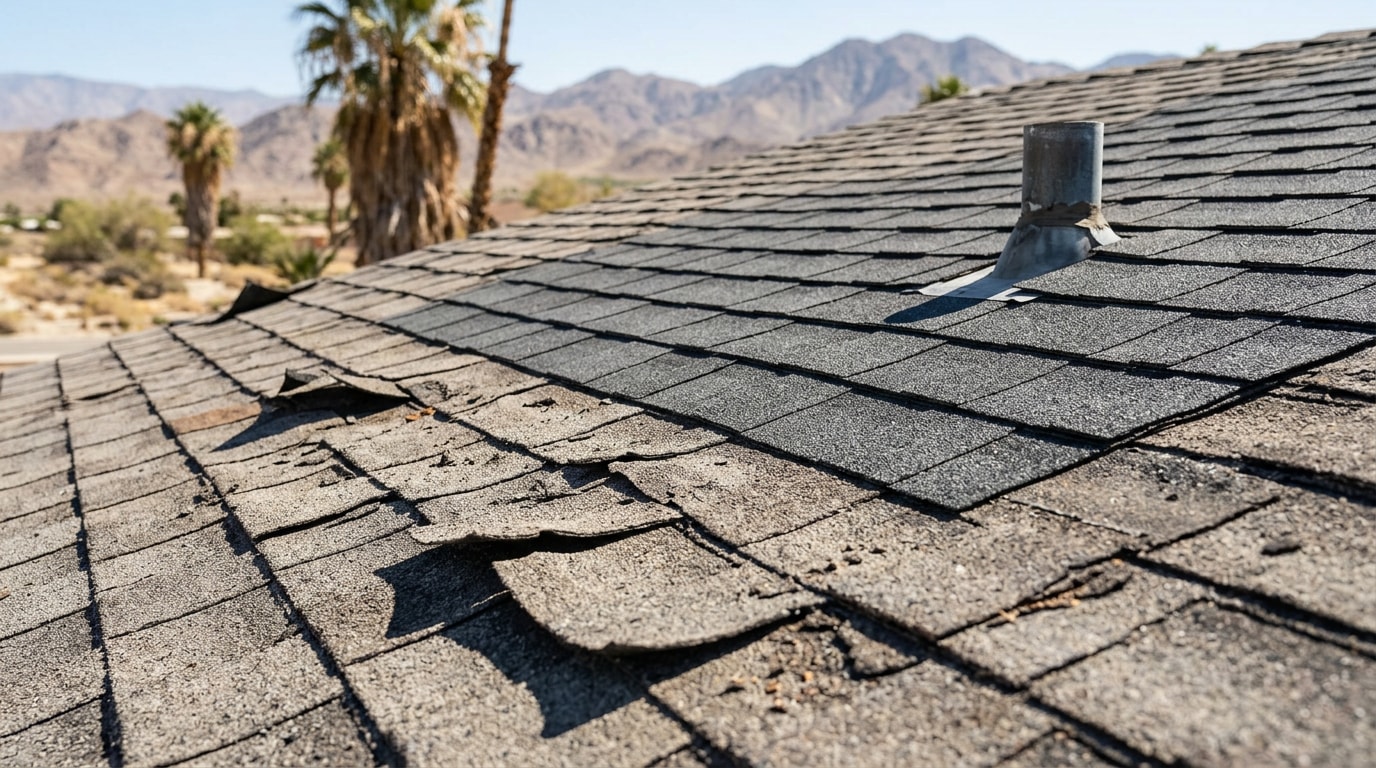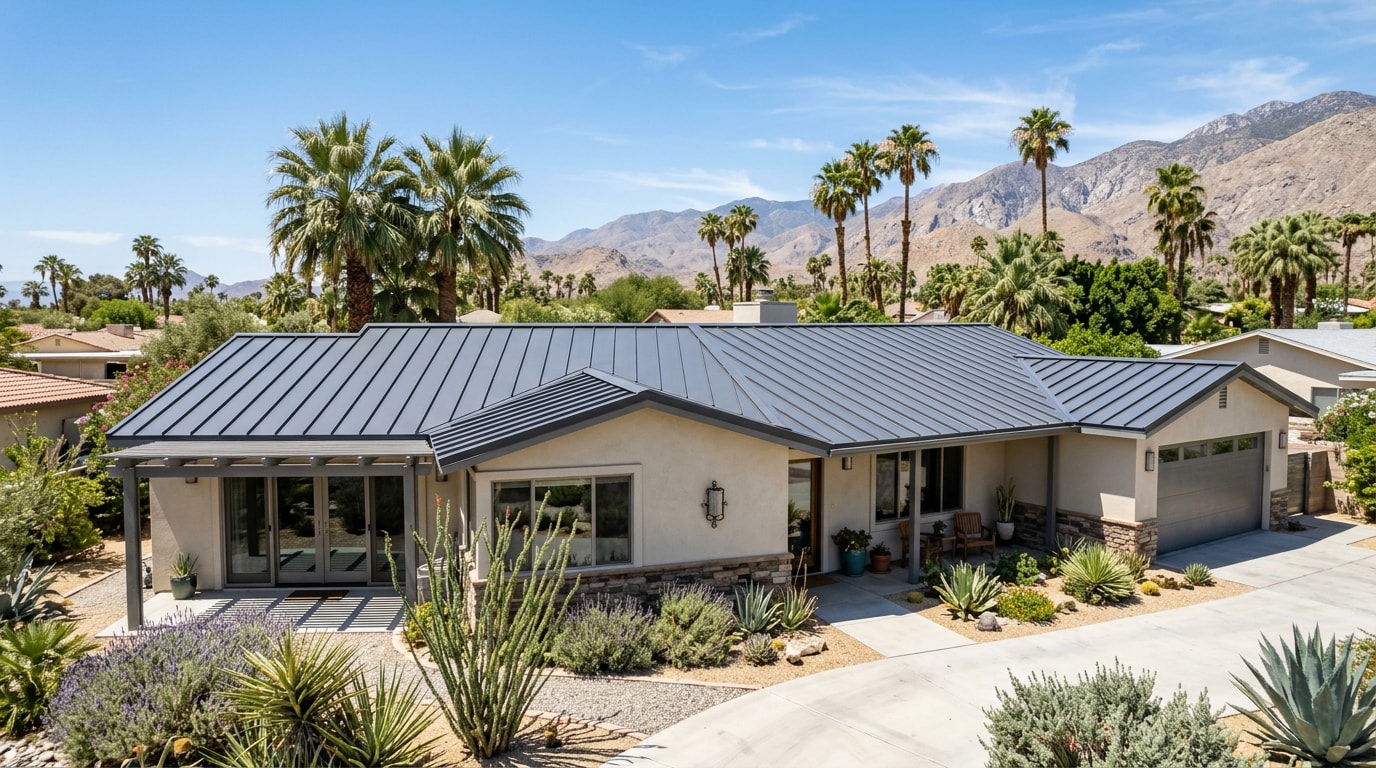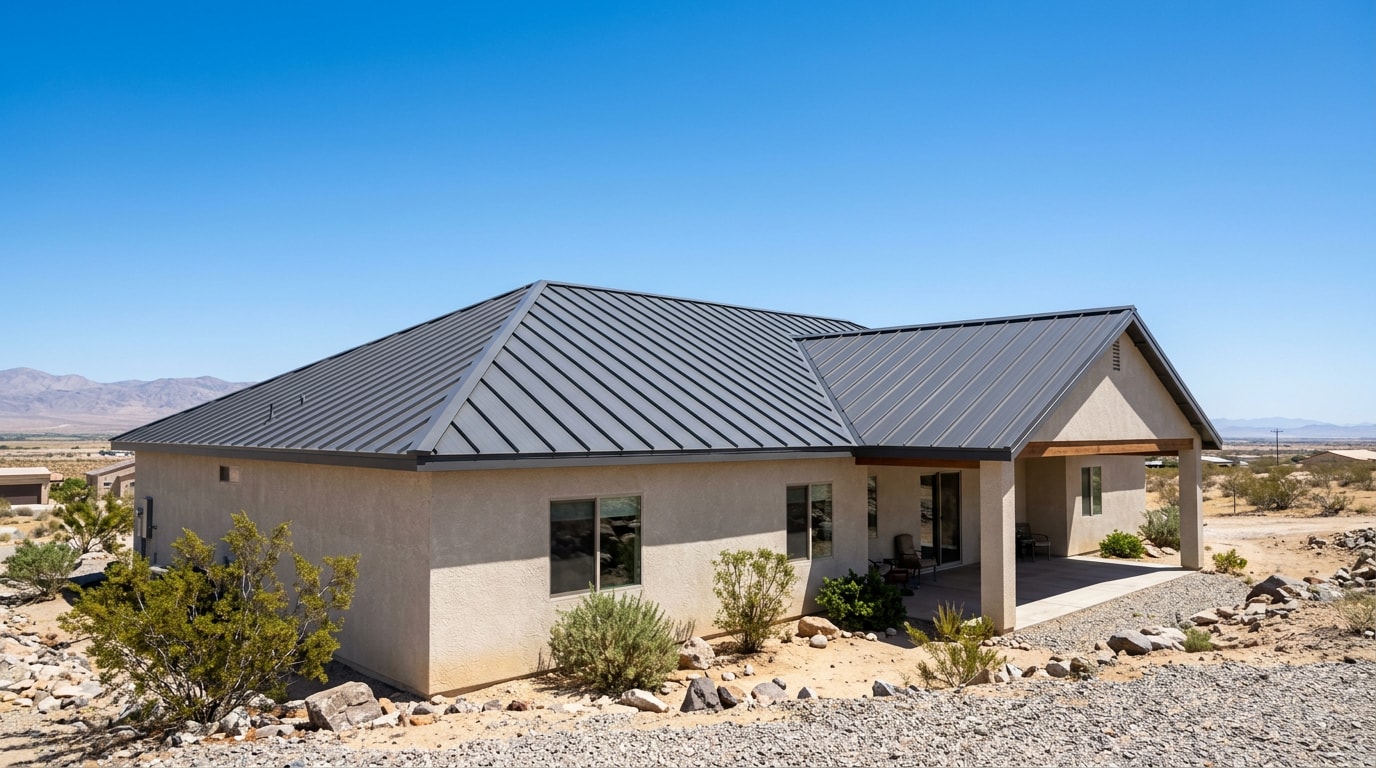
Skipping the tear-off and installing metal panels straight over old shingles sounds like an easy way to save money in Brawley, CA. It usually isn't. The metal roof over shingles problems homeowners run into here, hidden rot, trapped moisture, voided warranties, and code violations, tend to show up months after the crew leaves, when fixing them costs far more than a proper tear-off would have.
This guide covers what Imperial County code actually allows, the specific failure points inspectors and roofers see on recover jobs, and how to check your own roof before you sign anything.
The Real Problems With Installing a Metal Roof Over Shingles
A metal-over-shingles job isn't automatically a disaster. But it stacks several risks on top of each other that a straightforward tear-off avoids entirely. Here's what actually goes wrong, in order of how often we see it.
You Can't Inspect or Fix the Roof Decking
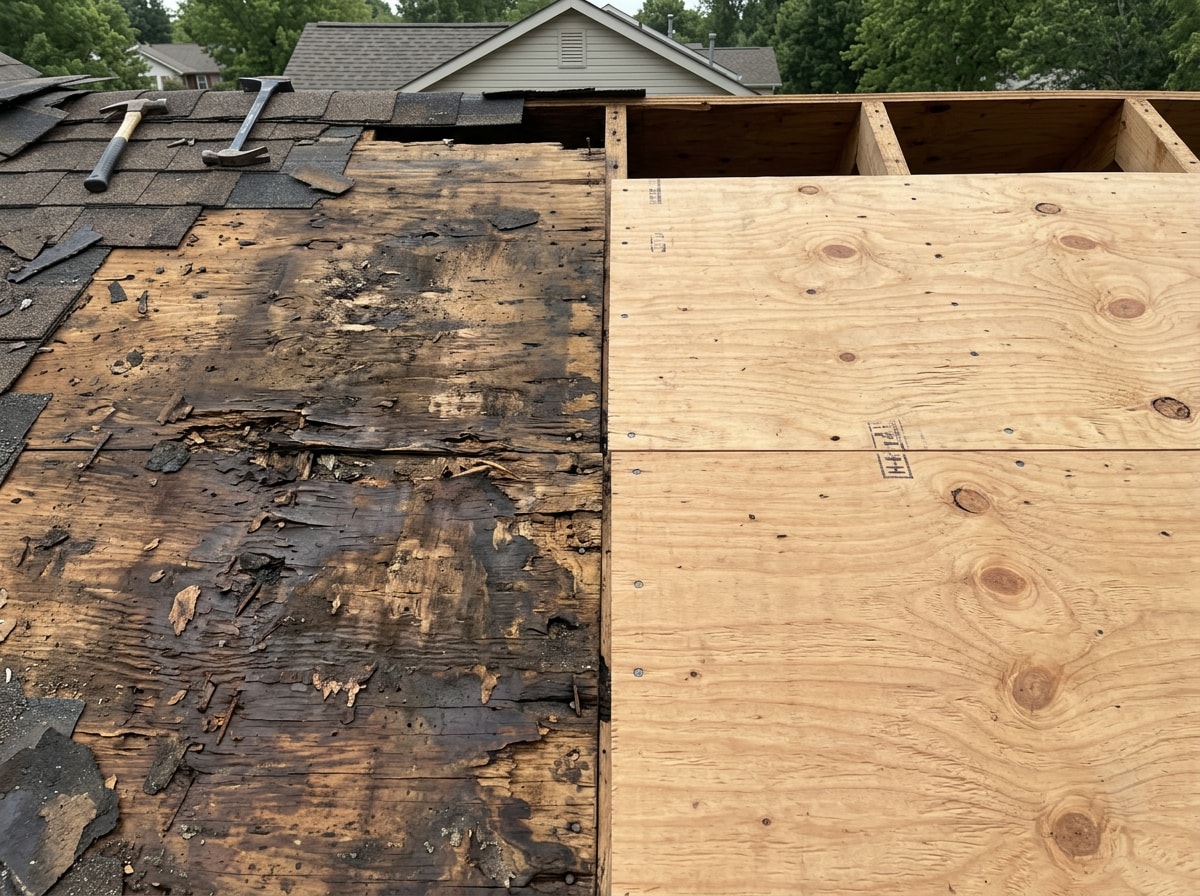
Once metal panels go down over existing shingles, the wood decking underneath is sealed away. There's no realistic way to check it for rot, soft spots, or water damage without removing the new roof.
If your home hasn't had a real decking inspection in a decade or more, there's a real chance something is already wrong under those shingles. Covering it with metal doesn't fix that. It just buries the problem until a leak, a sag, or a soft spot forces it back into view.
Added Weight Stacks Up Fast
Metal roofing is lighter than people assume, but stacking it on top of an existing shingle layer still adds real load to framing that was built for one roof covering, not two.
| Roofing Material | Approximate Weight (per 100 sq. ft.) |
|---|---|
| Standing-seam steel | 50 to 150 lbs |
| Aluminum panel | 40 to 70 lbs |
| Three-tab asphalt shingles | 200 to 350 lbs |
| Two layers of asphalt shingles | Up to 700 lbs |
The International Residential Code addresses this directly: the structural roof components must be capable of supporting the roof covering system and the material and equipment loads encountered during installation. On an older Brawley home that's never had that load checked, adding metal on top of existing shingles is exactly the kind of stacking that can stress rafters and sheathing over time.
Shingles Keep Deteriorating Underneath
Covering shingles with metal doesn't stop them from aging. They keep breaking down out of sight, and moisture can get trapped between the two layers, creating the conditions for mold, mildew, and slow water damage that spreads before anyone notices it.
Leaks Become Nearly Impossible to Trace
Finding a roof leak is hard enough on a single roof. Water travels along decking and framing before it shows up as a stain somewhere else in the house. Add a metal layer over shingles and that search gets dramatically worse, often requiring a contractor to cut through metal panels just to see what's happening underneath.
Manufacturer Warranties Often Get Voided
This is the one homeowners hear about last, usually after a problem already exists. Most metal roofing manufacturers require installation over a sound, inspected deck with manufacturer-specified underlayment. Install over old shingles instead, and you're often relying on whatever underlayment came with the original roof, not the one the metal panel manufacturer actually requires. That mismatch is enough for some manufacturers to limit or deny warranty claims later.
Furring Strips Create an Uneven, Less Durable Surface
Shingle roofs aren't flat to begin with. Contractors doing a recover typically install furring strips over the shingles as a base for the metal panels, and those strips sit on an already uneven surface. Over time, the wood strips can absorb humidity and warp, which translates into an uneven metal surface, loose fasteners, and a higher chance of wind getting under a panel edge.
Is It Even Legal in Brawley, CA? What the Code Actually Says
Yes, with real limits. Reroofing in Imperial County follows the International Residential Code's reroofing chapter, which California has adopted into its own residential code. Roof replacement generally requires removal of existing layers of roof coverings down to the roof deck , and a roof recover is only permitted when the existing roof hasn't already hit that layer limit.
The code also blocks a recover outright under certain conditions. A roof recover isn't allowed where the existing roof or roof covering is water soaked or has deteriorated to the point that it is not adequate as a base for additional roofing .
Brawley sits in unincorporated Imperial County for many properties, which means the Imperial County Planning & Development Services Department is the Authority Having Jurisdiction on your reroof permit, not just the state code. By state law, virtually all construction, including minor modifications, requires a permit of some type , and reroofing is no exception. Skipping that step isn't just a paperwork risk. It can mean a stop-work order or being forced to tear off and redo the roof anyway, at a much higher cost than doing it right the first time.
There's also a 2026-specific wrinkle worth knowing. The 2025 Building Energy Efficiency Standards (Title 24, Part 6), effective January 1, 2026, set requirements for the thermal emittance, three-year aged reflectance, and Solar Reflective Index of roofing materials used in new construction and re-roofing projects , and those requirements apply to alterations including roof recoverings . In a climate where summer roof surfaces routinely bake all day, that cool-roof compliance isn't a box to skip, it affects which metal finish you're even allowed to install over shingles.
For the full breakdown of what a compliant metal reroof looks like here, see our Metal Roof Installation in Brawley, CA guide. You can also browse the broader roofing services we offer across the valley.
Signs Your Roof Decking Is Already in Trouble
Four warning signs show up most often on homes considering a metal recover. Catching them before a new roof locks the problem underneath can save thousands later.
- Attic daylight check: Go into the attic during the day. Pinpricks of light through the decking mean a gap or rot spot.
- Soft-spot foot test: If it's safe to walk the roof, test for springy or soft areas. That's a classic sign of decking rot.
- Musty-smell test: A persistent musty odor in the attic usually points to trapped moisture and possible mold.
- Ground-level sag check: Stand back and look at the roofline from the street. A visible dip or wave often means the deck has already lost structural strength.
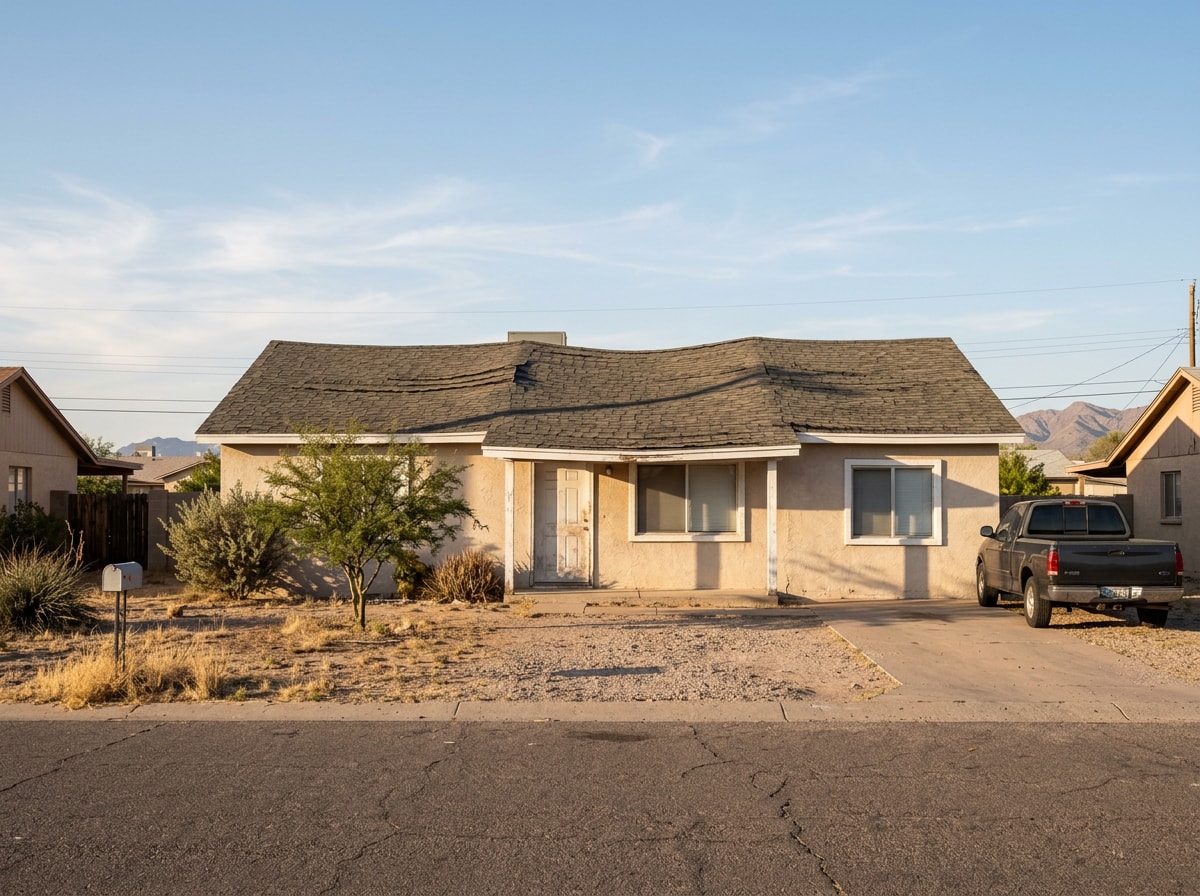
If you spot any of these, get a professional roof inspection before committing to a recover project of any kind.
How to Avoid These Problems If You're Still Considering a Recover
Most of the issues above are preventable with an honest evaluation up front, not after the metal is already screwed down.
A load-bearing capacity check comes first. That means assessing whether the rafters and decking can handle the combined weight of new metal plus the existing shingle layer, not assuming it will be fine because metal is "lightweight." The National Roofing Contractors Association doesn't mince words on this topic: for roofs carrying multiple coverings, NRCA recommends removal of all layers of roof coverings before installation of a replacement roof system .

If you're also thinking about solar down the road, structural integrity matters even more. Mounting hardware needs to anchor into sound decking and rafters, and a concealed layer of old shingles makes it much harder to verify that later. Pairing a solar-ready roof installation with your reroof decision now avoids finding a hidden problem after panels are already on the roof.
Tear-Off vs. Recover: What's Actually Smarter for a Brawley Roof
| Factor | Metal Recover Over Shingles | Full Tear-Off Then Metal |
|---|---|---|
| Decking inspection | Not possible | Full visibility and repair |
| Upfront cost | Lower | Higher |
| Structural load | Added weight on old framing | Load calculated for one layer |
| Warranty | Often limited or voided | Full manufacturer warranty |
| Leak diagnosis | Difficult, two layers to check | Straightforward |
| Expected lifespan | Shortened by hidden shingle decay | 40 to 70 years when installed correctly |
A properly installed metal roof, meaning a full tear-off first, can last 40 to 70 years, which for most homeowners means never replacing the roof again. Given everything above, a full tear-off is usually the smarter long-term move even though it costs more upfront. You get a clean deck inspection, a roof built to its full rated lifespan, and no hidden problems waiting to surface later.
If you're weighing the real numbers for your specific house, a roof replacement consultation gives you an apples-to-apples cost comparison instead of a guess.
FAQ
How many layers of roofing does California allow on a house?
Most jurisdictions follow the same layer limit built into the International Residential Code's reroofing chapter: once a roof already carries the maximum number of existing coverings, a recover is off the table and a full tear-off is required before new roofing goes on. Imperial County enforces this at the permit stage, so a contractor can't simply skip it.
Is it bad to put a metal roof over shingles?
It's not automatically bad, but it carries real tradeoffs. Hidden decking damage, added structural weight, trapped moisture, and voided manufacturer warranties are the main risks, and they make this a decision that deserves a careful inspection first, not a quick yes from a contractor trying to save you money on labor.
Can you put a metal roof over two layers of shingles?
No. Once a roof already has two applications of roof covering, code requires a full tear-off before any new roofing, metal included, can go on. There's no exception for metal panels being lighter than shingles.
Will installing metal over shingles void my roof warranty?
Often, yes, at least partially. Most metal panel manufacturers specify installation over a sound deck with a particular underlayment. Skipping that in favor of the old shingle layer is frequently enough to limit or void the manufacturer's weathertightness warranty, even if the installation itself looks fine on day one.
How do I know if my roof already has rot hiding under the shingles?
Check the attic for daylight through the decking, musty odors, or stains on the rafters, and look at the roofline from the street for sagging or waviness. Any of these warrants a professional inspection before a recover or replacement decision gets made.
Is a full tear-off always more expensive than a recover?
Upfront, yes. But a recover that hides existing decking problems often costs more over the life of the roof once you factor in a shortened lifespan, warranty issues, and the eventual cost of removing two layers instead of one when it's finally time to replace the roof.
Carlos Martinez, founder of MTZ Solar, has handled roofing, solar, and electrical projects across the Coachella and Imperial Valleys since coming up through Tesla and Sunergy Construction. If you're weighing a metal recover against a full tear-off on your Brawley property, get a free estimate and we'll tell you straight whether your roof qualifies, not just sell you the cheaper option. We also serve homeowners throughout Brawley, CA and the surrounding Imperial Valley.