Roof repair in El Centro, CA has to survive conditions most roofing advice never accounts for: triple-digit heat for half the year, sudden monsoon wind bursts, and a housing stock running from 1960s asphalt shingles to newer tile and foam systems. This guide breaks down the warning signs, realistic cost ranges, and exactly how to vet a contractor before anyone gets on your roof.
Signs You Need Roof Repair in El Centro, CA
Most roofs need a repair, not a full tear-off, when the damage is contained to one area: a few missing shingles, a cracked flashing seam, or a small leak with no widespread decking rot. Full replacement becomes the smarter move once the material is past its expected service life or damage has spread across most of the surface.
Run through this self-check before you call anyone:
- Roof age — asphalt shingles typically last 20–25 years. If yours is near or past that mark, a repair may only buy you a season or two.
- Leaks or water stains inside the home — usually a sign that worn shingles are letting moisture reach the underlayment.
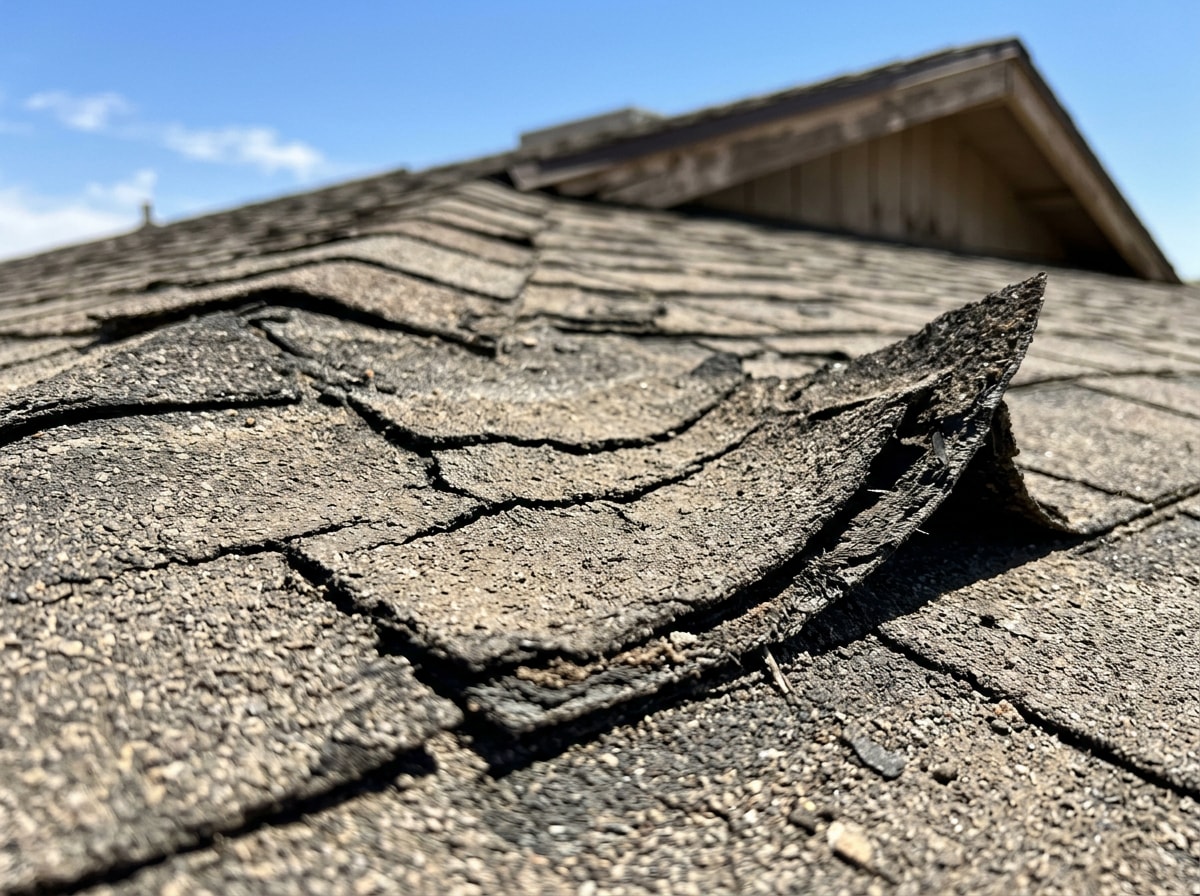
- Exposed roof decking — visible wood beneath curling or lifted shingles means the protective layer has already failed.
- Cracked, broken, or missing shingles — easy to spot from the ground or a quick ladder check, and these tend to worsen fast once Imperial Valley heat gets into the cracks.
- Granule buildup in gutters or downspouts — a sign UV exposure is stripping the protective coating off asphalt shingles faster than normal.
If you're seeing one or two of these signs rather than widespread failure, you're likely a good candidate for a targeted repair instead of a full reroof. Our roof repair services page covers what a typical fix involves for El Centro homes.
Roof Repair Costs in El Centro: What to Expect
Full roof replacement pricing gets talked about a lot, but most people searching for roof repair don't need that number, they need to know what a smaller fix runs.
| Repair Type | Typical Scope | Cost Compared to Full Replacement |
|---|---|---|
| Flashing repair | Sealing or replacing flashing around vents, chimneys, or swamp cooler curbs | Lowest tier of repair costs |
| Shingle patch | Replacing a small damaged section | Moderate, depends on size and material match |
| Leak seal | Targeted fix at the confirmed source of a leak | Moderate, depends on access and roof pitch |
| Full re-roof | Complete tear-off and replacement | Several times higher than any single repair |
If a contractor's repair estimate starts creeping toward full-replacement pricing, that's a signal to get a second opinion before signing anything. For a number specific to your roof's condition, request a free estimate rather than relying on a ballpark from a generic price list.
Why Roofs Fail Faster in El Centro's Desert Climate
Roofs here wear out faster than roofs in milder California climates, and it's not just anecdotal. Two things are doing the damage.
First, heat. The month of highest temperature in El Centro is July, when the average temperature reaches up to 95.0 °F, with a mean yearly temperature around 74.8 °F. That kind of sustained heat accelerates granule loss and UV breakdown on asphalt shingles, and repeated thermal expansion and contraction loosens flashing seals over time. In fact, recent tracking shows El Centro's 2026 average temperature running well above its 1991–2020 normal, ranking among the warmest years on record for the station.
Second, wind. Sudden monsoon microbursts can lift or tear shingles at roof edges in ways that slow, steady weather never would. Each of these failure modes connects to a specific repair: heat damage shows up as granule loss and brittle shingles, while wind damage shows up as lifted edges and torn flashing.
This climate reality is also why licensing matters here more than in milder areas. Any roofing contractor performing work valued at $500 or more, labor and materials combined, must hold a valid CSLB license with a Class C-39 specialty classification. A full reroof always needs a permit and can't use a small-job exemption. C-39 is the one classification where California requires a workers' compensation policy on file with CSLB regardless of whether the contractor has employees.
Repair vs. Replacement: Matching the Fix to the Problem
Once you know what's wrong, the next step is matching it to the right service. Residential roof repair in El Centro covers everything from small patch jobs to full installation, regardless of the roofing system involved.
Common systems serviced in the Imperial Valley include tile roofing, composition shingle roofing, shake roofing, and silicone roof coating, along with routine maintenance to catch small problems before they become leaks. A cracked tile from the signs checklist above usually calls for a targeted tile repair rather than replacing an entire section. Likewise, a handful of curling shingles points toward a shingle patch instead of a complete reroof.
If your roof is already past the point of patching, our roof replacement page walks through what a full reroof involves, and our Asphalt Shingle Roof Replacement in El Centro, CA guide breaks down costs and timelines in more detail. Browse the full roofing services category to see which option fits your situation.
Cool Roofs and Material Choice for Imperial Valley Homes
Material choice matters more here than in almost any other California climate, because of how much heat the roof surface absorbs. Steep-slope cool roof requirements under California's energy code apply in Zone 15, which covers Palm Springs and El Centro. That means any re-cover or repair affecting a large share of the roof surface may need to meet a minimum aged solar reflectance of 0.20 and thermal emittance of 0.75, or a Solar Reflectance Index of at least 16 under the current code cycle.
Asphalt shingle vs. tile is the most common comparison homeowners make here. Tile tends to handle extreme heat better and lasts longer, while asphalt shingles are typically less expensive upfront but may need attention sooner in this climate. A cool-roof upgrade, reflective coatings or light-colored materials, can reduce attic temperatures and extend roof life regardless of which base material you choose. Check the California Energy Commission's Building Energy Efficiency Standards before finalizing a material choice on any repair or re-cover project.
How to Vet a Roofing Contractor in El Centro
A new roof is a major expense, which makes it worth researching a contractor carefully, even for a smaller repair job.
Here's something many homeowners miss: only a handful of licensed roofers actually carry an Imperial County address, so plenty of local roofs get serviced by companies based elsewhere. That's not automatically a problem, but it means checking the license number and its active status before work begins is non-negotiable. Use the official CSLB license lookup tool to confirm a contractor holds an active C-39 classification, a current bond, and workers' comp on file before you hire.
A few quick questions to ask any roofer:
- Are you licensed and insured under an active C-39 classification?
- Can you provide a written estimate with scope and materials spelled out?
- Do you carry workers' comp, and can you show proof?
- Will you pull the permit, or is that on me?
These basics separate a licensed roofing contractor from someone working without proper coverage, and they're worth asking before any ladder touches your roof.
Schedule a Roof Inspection First
If you're dealing with storm damage, an ongoing leak, or general wear, request an inspection before committing to either repair or replacement. A technician can confirm whether the damage is isolated or whether it's a symptom of a bigger problem underneath. For home sales, many inspections can also include documentation for the real estate transaction.
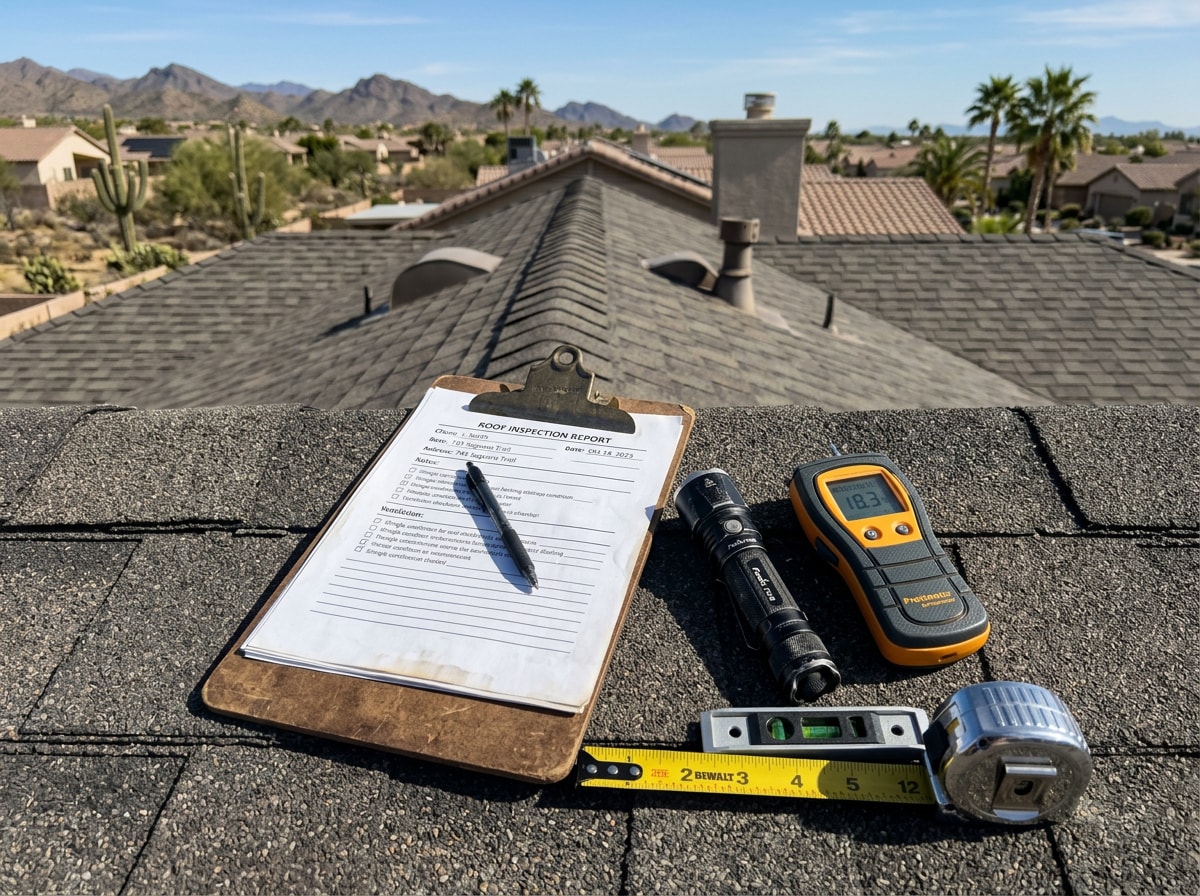
A roof inspection gives you a clear, documented answer on repair versus replacement before you spend a dollar on either.
Why Homeowners Choose MTZ Solar for Roof Repair in El Centro
I'm the lead roofing technician at MTZ Solar, licensed under California's C-39 roofing classification, and I've spent years climbing roofs across Imperial County in July heat that makes shingles soft enough to dent with a boot. The single most common failure point I find on El Centro homes isn't the shingles themselves, it's the flashing around swamp cooler curbs and roof penetrations that nobody thinks to reseal until it's already leaking.
Choosing a local contractor means working with a team that understands Imperial Valley's heat, wind, and storm patterns firsthand, not guessing based on conditions elsewhere. Licensing, active insurance, and a track record of solid workmanship matter as much as price when someone is working on your home's largest surface.
See our full range of home services, including roofing, solar, and electrical work, on the MTZ Solar homepage, or contact us for a free estimate on your El Centro roof repair. We also serve Brawley and the surrounding Salton Sea area.
FAQ
Do I need a permit for roof repair or replacement in El Centro?
In most cases, yes. Roof work typically requires a building permit, with fees that vary by project scope, and most licensed contractors handle the application along with the required before-and-after inspections.
What are the licensing requirements for roofers in California?
Roofers need an active C-39 classification through the CSLB for any job worth $500 or more in combined labor and materials. See the "How to Vet a Roofing Contractor" section above for how to verify a license, bond, and workers' comp before hiring.
Do I have to replace my entire roof in El Centro if it leaks?
Not necessarily. If a leak traces back to defective flashing or one damaged section, a targeted repair of that specific cause is often enough. Full replacement isn't always required unless the underlying material is already past its service life.
How much does a roof repair cost in El Centro, CA?
It depends on scope. A single flashing fix or small shingle patch costs far less than a full re-roof. Get a written estimate that breaks out materials and labor so you can compare it against replacement cost before deciding.
Will my homeowners insurance cover roof repair?
It depends on the cause. Storm or wind damage is more commonly covered than normal wear and tear, but you'll need to check your specific policy or ask your adjuster for details.
What is the best time of year for roof repair in El Centro?
Cooler months, roughly November through March, are generally better for major re-roofing work given the area's extreme summer heat. Repairs, though, should happen as soon as damage appears, regardless of season, since small leaks and cracked flashing only get worse in the heat.
How long does a typical roof repair take?
A straightforward patch or flashing repair is often a same-day job. More involved repairs, like a leak traced to deeper decking damage, can take one to two days depending on access and material availability.